Hair vitamins are everywhere. Social media is filled with before-and-after photos, and many brands promise longer, thicker hair in just a few months. But do these supplements actually work, or are they simply another beauty trend?
The answer is more complicated than a simple yes or no. The best hair vitamins can support healthy hair growth if you have a nutritional deficiency or increased nutrient needs. However, if you’re already getting enough vitamins and minerals from your diet, taking extra supplements is unlikely to dramatically speed up hair growth. Understanding what the evidence says can help you choose products that are worth your money.
The Science Behind Hair Vitamins
Hair is made primarily of keratin, a structural protein that depends on a steady supply of nutrients to grow normally. Hair follicles are among the most active cells in the body, meaning they require adequate nutrition to function properly.
Several vitamins and minerals play an important role in healthy hair growth.
Biotin
Biotin helps the body produce keratin. While biotin supplements are often marketed for hair growth, research shows they mainly benefit people who are actually deficient, which is relatively uncommon.
Iron
Iron deficiency is one of the most common nutritional causes of hair shedding, particularly in women. Correcting a deficiency may help restore normal hair growth, but supplementation should only be taken when recommended by a healthcare professional.
Vitamin D
Low vitamin D levels have been linked to certain types of hair loss, although researchers are still studying the exact relationship.
Zinc
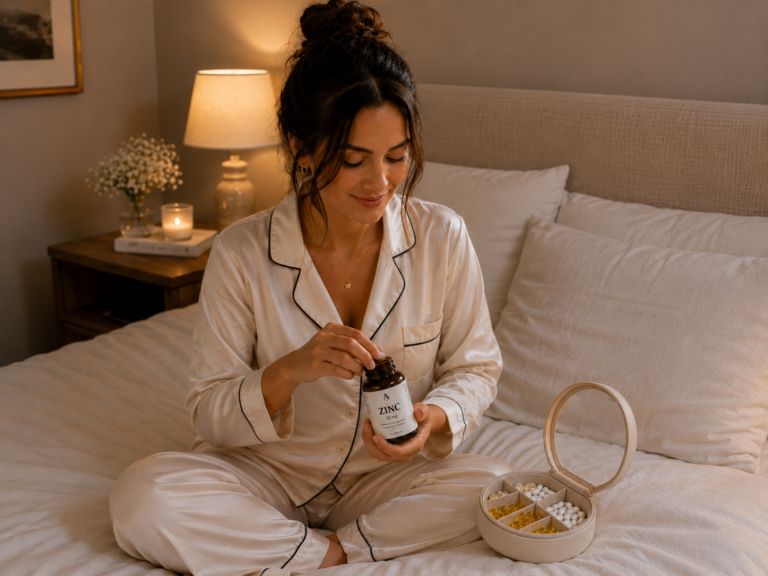
Zinc supports normal hair follicle function and tissue repair. Both deficiency and excessive intake can negatively affect hair health.
Collagen
Collagen provides amino acids that the body can use to build keratin. While it may support overall hair health, direct evidence that collagen supplements significantly increase hair growth remains limited.
Most healthy adults grow about half an inch (1.25 cm) of hair per month. No vitamin can safely override your natural growth rate, but correcting nutritional deficiencies can help restore normal growth.
Best Products to Use
1. Nutrafol Women’s Hair Growth Supplement
Why it’s recommended
Nutrafol is one of the most researched hair supplements available, with several clinical studies showing improvements in hair thickness and reduced shedding in many users.
Key active ingredients
- Marine collagen
- Ashwagandha
- Saw palmetto
- Biotin
- Vitamin D
How it works
Supports healthy hair growth by addressing nutrition, stress, and hormonal factors that may contribute to thinning.
Who should use it
Women experiencing mild to moderate hair thinning.
How to use
Take four capsules daily with a meal, following the manufacturer’s directions.
Precautions
Contains marine-derived ingredients and should not replace treatment for underlying medical conditions.
2. Viviscal Hair Growth Supplements
Why it’s recommended
Viviscal has been evaluated in multiple clinical studies and is frequently recommended as part of a comprehensive hair care routine.
Key active ingredients
- Marine collagen complex
- Biotin
- Zinc
- Vitamin C
How it works
Provides nutrients that support normal hair growth and may reduce excessive shedding over time.
Who should use it
Adults with temporary hair thinning or increased shedding.
How to use
Take as directed for at least three to six months.
Precautions
Contains fish-derived ingredients.
3. Nature Made Hair, Skin & Nails Softgels
Why it’s recommended
A simple, affordable option that provides essential nutrients without unnecessary mega doses.
Key active ingredients
- Biotin
- Vitamin C
- Vitamin E
- Zinc
How it works
Helps support normal hair, skin, and nail health by supplying essential nutrients.
Who should use it
Adults looking to maintain healthy hair through nutritional support.
How to use
Take according to the label instructions.
Precautions
Avoid taking additional high-dose biotin supplements unless advised by your healthcare provider.
4. Sports Research Collagen Peptides
Why it’s recommended
An easy way to increase collagen intake while also providing amino acids used to build keratin.
Key active ingredients
- Hydrolyzed collagen peptides
How it works
Provides amino acids that support healthy connective tissues and may contribute to overall hair strength.
Who should use it
Adults interested in collagen supplementation as part of a balanced diet.
How to use
Mix into coffee, smoothies, or water daily.
Precautions
Evidence for collagen directly improving hair growth remains limited.
5. Solgar Biotin 5000 mcg
Why it’s recommended
A trusted biotin supplement from a well-established brand.
Key active ingredient
- Biotin
How it works
Supports normal keratin production in individuals with insufficient biotin intake.
Who should use it
People with confirmed or suspected biotin deficiency under medical guidance.
How to use
Take as directed on the label.
Precautions
High-dose biotin can interfere with certain laboratory blood tests. Inform your healthcare provider if you’re taking it.
6. NOW Zinc Picolinate
Why it’s recommended
Zinc deficiency has been associated with certain forms of hair shedding.
Key active ingredient
- Zinc picolinate
How it works
Supports healthy hair follicle function and normal tissue repair.
Who should use it
Adults with a confirmed zinc deficiency or those advised to supplement by a healthcare professional.
How to use
Take with food according to the product instructions.
Precautions
Long-term excessive zinc intake may lead to copper deficiency.
7. Garden of Life Vitamin Code Women
Why it’s recommended
A comprehensive multivitamin that provides a broad range of nutrients important for overall health, including hair health.
Key active ingredients
- Vitamin D
- Iron
- Zinc
- B vitamins
How it works
Helps fill nutritional gaps that may contribute to poor hair health.
Who should use it
Women looking for a complete daily multivitamin rather than a hair-only supplement.
How to use
Take according to the manufacturer’s directions.
Precautions
Avoid combining with other high-dose vitamin supplements unless recommended by your healthcare provider.
Common Mistakes
Assuming Hair Vitamins Work for Everyone
Hair supplements are most effective when a nutritional deficiency is contributing to hair loss.
Correct approach: Focus on correcting deficiencies rather than taking unnecessary high-dose supplements.
Expecting Overnight Results
Hair grows slowly, and supplements require time to show noticeable changes.
Correct approach: Use consistently for at least three to six months before evaluating results.
Taking High Doses Without Medical Advice
More isn’t always better. Excessive amounts of certain vitamins and minerals can be harmful.
Correct approach: Follow the recommended dosage and consult a healthcare professional if you’re unsure.
Ignoring Diet and Lifestyle
Supplements cannot replace a balanced diet, adequate protein intake, or proper scalp care.
Correct approach: Think of supplements as one part of an overall hair health strategy.
Treating Medical Hair Loss with Vitamins Alone
Conditions such as androgenetic alopecia, thyroid disease, or alopecia areata usually require targeted medical treatment.
Correct approach: If your hair loss is sudden, severe, or persistent, seek evaluation from a dermatologist or healthcare provider.
Final Thoughts
The best hair vitamins can be a helpful addition to your routine, but they’re not miracle products. They work best when they correct nutritional deficiencies or provide support during periods of increased hair shedding. For healthy adults without deficiencies, the benefits are often modest rather than dramatic.
If you’re considering a supplement, choose products from reputable brands with transparent ingredient lists and realistic claims. Combined with a balanced diet, good scalp care, and evidence-based treatments when needed, the right supplement can support healthier, stronger, and fuller-looking hair over time.