Acne-prone skin can be frustrating to manage. One day your skin seems to be improving, and the next you’re dealing with new breakouts, redness, or stubborn post-acne marks. With thousands of products promising clear skin, it’s easy to end up with a routine that’s too complicated or too harsh.
The truth is that an effective acne routine doesn’t require dozens of products. A simple, science-backed routine with the right ingredients used consistently is far more effective than following every trend on social media. This guide walks you through the ideal AM & PM skincare routine for acne-prone skin, explains why each step matters, and recommends highly rated products available on Amazon.
The Science Behind Acne
Acne develops when four main factors work together:
- Excess oil (sebum) production
- Clogged pores
- Cutibacterium acnes bacteria
- Inflammation
An effective skincare routine targets these causes without damaging the skin barrier.
Salicylic Acid
A beta-hydroxy acid (BHA) that penetrates pores to dissolve excess oil and dead skin cells, helping prevent blackheads and pimples.
Benzoyl Peroxide
Reduces acne-causing bacteria and inflammation. It remains one of the most effective over-the-counter acne treatments.
Retinoids
Ingredients such as adapalene increase skin cell turnover, helping prevent clogged pores while improving acne marks over time.
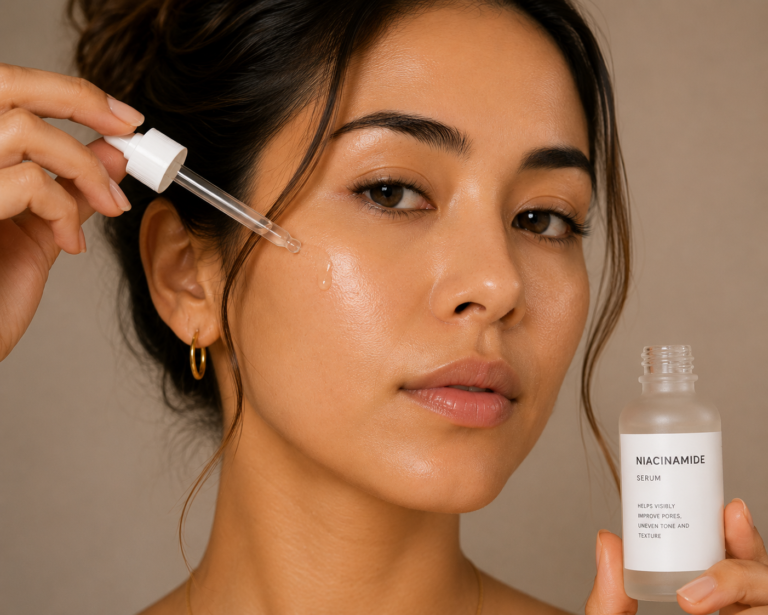
Niacinamide
Helps calm inflammation, regulate excess oil, strengthen the skin barrier, and reduce post-inflammatory pigmentation.
A healthy skin barrier is essential. Over-cleansing or using too many strong products can worsen irritation and trigger even more breakouts.
Morning (AM) Routine
Step 1: Cleanser
Recommended Product: CeraVe Foaming Facial Cleanser
Why it’s recommended
A gentle cleanser that removes excess oil without stripping the skin.
Key active ingredients
- Ceramides
- Niacinamide
- Hyaluronic Acid
How it works
Removes dirt, oil, and impurities while supporting the skin barrier.
Who should use it
Normal, combination, and oily acne-prone skin.
How to use
Massage onto damp skin for 30 to 60 seconds before rinsing.
Precautions
Avoid scrubbing aggressively.
Step 2: Niacinamide Serum
Recommended Product: The Ordinary Niacinamide 10% + Zinc 1%
Why it’s recommended
Helps control excess oil while reducing redness and improving post-acne marks.
Key active ingredients
- Niacinamide
- Zinc PCA
How it works
Balances oil production and strengthens the skin barrier.
Who should use it
Oily and acne-prone skin.
How to use
Apply two to three drops after cleansing.
Precautions
Reduce frequency if irritation develops.
Step 3: Lightweight Moisturizer
Recommended Product: CeraVe PM Facial Moisturizing Lotion
Why it’s recommended
Hydrates without clogging pores.
Key active ingredients
- Ceramides
- Hyaluronic Acid
- Niacinamide
How it works
Restores the skin barrier while maintaining hydration.
Who should use it
Acne-prone and combination skin.
How to use
Apply a thin layer after serum.
Precautions
Don’t skip moisturizer, even if your skin feels oily.
Step 4: Sunscreen
Recommended Product: EltaMD UV Clear Broad-Spectrum SPF 46
Why it’s recommended
One of the most dermatologist-recommended sunscreens for acne-prone skin.
Key active ingredients
- Zinc Oxide
- Niacinamide
How it works
Protects against UV damage while calming redness.
Who should use it
Sensitive and acne-prone skin.
How to use
Apply generously every morning as the final skincare step.
Precautions
Reapply every two hours when outdoors.
Evening (PM) Routine
Step 1: Cleanser
Use the same gentle cleanser from your morning routine.
If you wear makeup or water-resistant sunscreen, consider cleansing twice using an oil cleanser followed by your regular cleanser.
Step 2: Acne Treatment
Recommended Product: Differin Gel (Adapalene 0.1%)
Why it’s recommended
Adapalene is one of the most effective over-the-counter retinoids for treating acne.
Key active ingredient
- Adapalene 0.1%
How it works
Prevents clogged pores while reducing inflammation and improving post-acne marks.
Who should use it
Mild to moderate acne.
How to use
Apply a pea-sized amount to the entire face two to three nights per week before gradually increasing to nightly use if tolerated.
Precautions
Temporary dryness and purging can occur during the first few weeks.
Step 3: Moisturizer
Recommended Product: La Roche-Posay Toleriane Double Repair Face Moisturizer
Why it’s recommended
Repairs the skin barrier while minimizing irritation from acne treatments.
Key active ingredients
- Ceramides
- Niacinamide
- Glycerin
How it works
Restores hydration and reduces dryness caused by retinoids.
Who should use it
All acne-prone skin types.
How to use
Apply after adapalene has absorbed.
Precautions
Use generously if your skin becomes dry.
Optional Spot Treatment
Recommended Product: Neutrogena On-the-Spot Acne Treatment
Why it’s recommended
Targets individual pimples without treating the entire face.
Key active ingredient
- 2.5% Benzoyl Peroxide
How it works
Kills acne-causing bacteria while reducing redness.
Who should use it
Occasional inflamed pimples.
How to use
Apply directly to blemishes after moisturizer if needed.
Precautions
Benzoyl peroxide may bleach fabrics and towels.
Common Mistakes
Using Too Many Acne Products Together
Combining multiple strong treatments often leads to irritation rather than clearer skin.
Correct approach: Introduce one active ingredient at a time.
Overwashing Your Face
Washing too frequently strips away protective oils.
Correct approach: Cleanse twice daily unless advised otherwise by a dermatologist.
Skipping Moisturizer
Many people with acne think moisturizer causes breakouts.
Correct approach: Choose a lightweight, non-comedogenic moisturizer to protect the skin barrier.
Picking Pimples
Picking increases inflammation and raises the risk of scarring and dark spots.
Correct approach: Leave blemishes alone and use targeted acne treatments instead.
Expecting Immediate Results
Acne treatments need time to work.
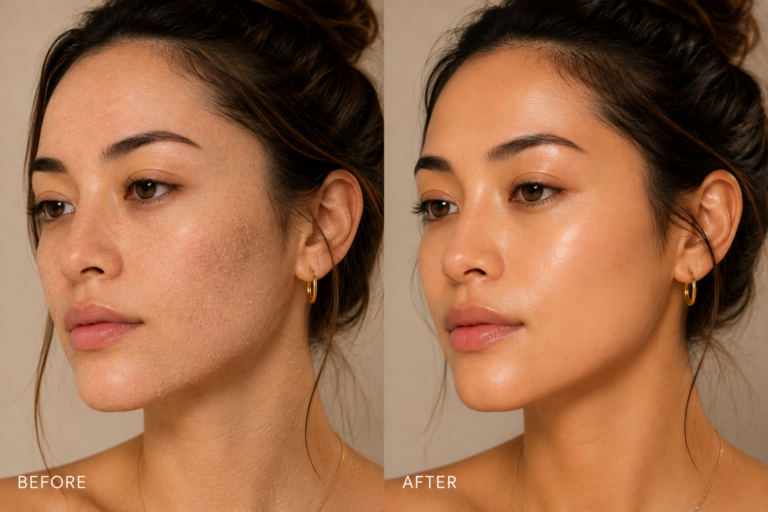
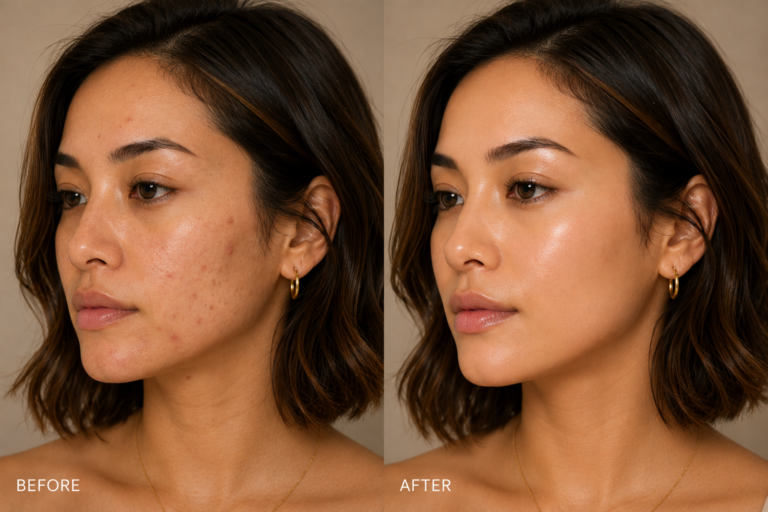
Correct approach: Most evidence-based routines require eight to twelve weeks of consistent use before significant improvement becomes visible.
Final Thoughts
The best AM & PM skincare routine for acne-prone skin is one that’s simple, consistent, and based on ingredients with proven benefits. A gentle cleanser, niacinamide, moisturizer, sunscreen, and a nighttime retinoid such as adapalene form the foundation of an effective routine for many people.
Remember that clearer skin doesn’t happen overnight. Stick with your routine, avoid constantly switching products, and give your skin time to respond. With patience and the right products, you can reduce breakouts, strengthen your skin barrier, and achieve a healthier, more balanced complexion.