Dark spots can linger long after acne has healed or sun exposure has faded. While they’re harmless, hyperpigmentation is one of the most common skincare concerns and can be frustrating because it often takes weeks or even months to improve.
The good news is that many cases of hyperpigmentation respond well to consistent skincare. By understanding what causes discoloration and choosing ingredients backed by scientific research, you can gradually achieve a brighter and more even complexion.
The Science Behind Hyperpigmentation
Hyperpigmentation happens when specialized skin cells called melanocytes produce too much melanin, the pigment responsible for skin color.
Several factors can trigger excess melanin production.
Sun Exposure
Ultraviolet (UV) rays stimulate melanin production. Without daily sunscreen, even the best brightening products will struggle to fade existing dark spots.
Post-Inflammatory Hyperpigmentation (PIH)
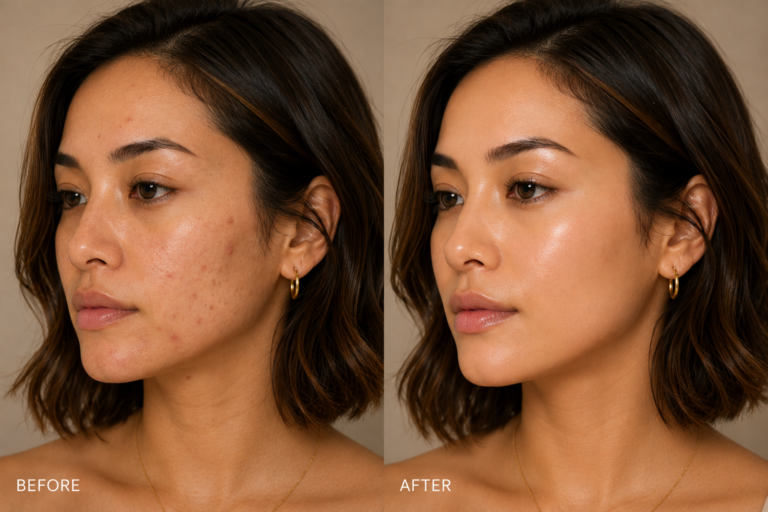
After acne, eczema, or skin irritation heals, inflammation can leave behind flat brown or dark patches. This is especially common in medium to deep skin tones.
Melasma
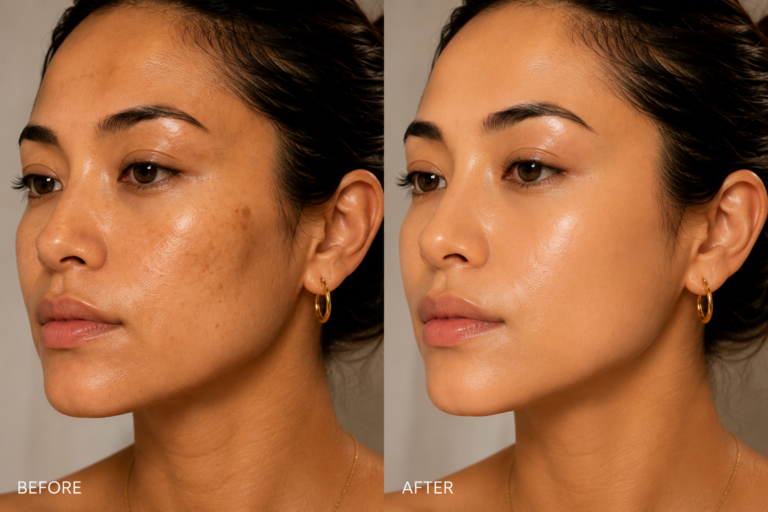
Melasma is a chronic form of hyperpigmentation often influenced by hormones, pregnancy, genetics, and sun exposure. It usually appears as symmetrical patches on the cheeks, forehead, or upper lip.
Aging
Years of cumulative sun exposure can lead to age spots, also called solar lentigines.
The most effective treatments work by reducing melanin production, increasing skin cell turnover, protecting the skin from UV damage, or combining these approaches.
Best Products to Use
1. La Roche-Posay Mela B3 Serum
Why it’s recommended
Designed specifically to target persistent discoloration while remaining gentle enough for daily use.
Key active ingredients
- Melasyl™
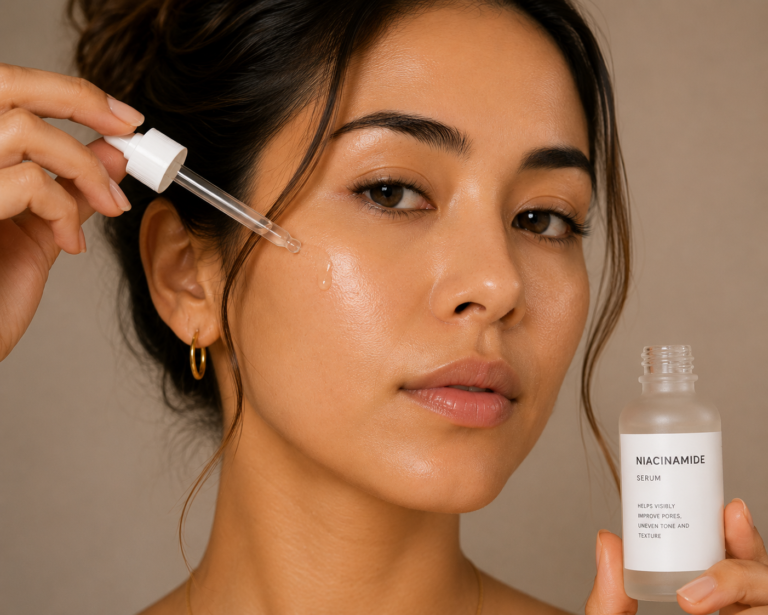
- Niacinamide
How it works
Helps reduce the appearance of dark spots while supporting a healthy skin barrier and promoting a more even complexion.
Who should use it
Anyone with post-acne marks, sun spots, or uneven skin tone.
How to use
Apply morning and evening after cleansing and before moisturizer.
Precautions
Daily sunscreen is essential to prevent new pigmentation.
2. SkinCeuticals Discoloration Defense
Why it’s recommended
A dermatologist favorite for improving stubborn hyperpigmentation without prescription-strength ingredients.
Key active ingredients
- Tranexamic acid
- Niacinamide
- Kojic acid
How it works
Targets multiple pathways involved in melanin production to gradually fade discoloration.
Who should use it
People with post-inflammatory hyperpigmentation or melasma.
How to use
Apply three to five drops once or twice daily.
Precautions
Results typically become noticeable after eight to twelve weeks of consistent use.
3. Paula’s Choice 10% Azelaic Acid Booster
Why it’s recommended
Azelaic acid is supported by research for improving acne marks, redness, and uneven pigmentation.
Key active ingredients
- 10% Azelaic acid
- Salicylic acid
- Licorice root extract
How it works
Reduces excess pigment while gently exfoliating and calming inflammation.
Who should use it
Acne-prone, sensitive, or rosacea-prone skin.
How to use
Apply after cleansing before moisturizer.
Precautions
Introduce gradually if you have sensitive skin.
4. Timeless 20% Vitamin C + E Ferulic Acid Serum
Why it’s recommended
Vitamin C remains one of the best-studied antioxidants for brightening skin and fading sun damage.
Key active ingredients
- 20% L-Ascorbic Acid
- Vitamin E
- Ferulic Acid
How it works
Helps reduce visible discoloration while protecting skin from environmental damage.
Who should use it
Normal, combination, and oily skin.
How to use
Use every morning before moisturizer and sunscreen.
Precautions
Store away from heat and direct sunlight.
5. CeraVe Resurfacing Retinol Serum
Why it’s recommended
A gentle retinol that helps improve post-acne marks while supporting the skin barrier.
Key active ingredients
- Encapsulated retinol
- Niacinamide
- Ceramides
How it works
Encourages skin cell turnover, helping dark spots gradually fade while smoothing skin texture.
Who should use it
Adults with acne marks or uneven skin tone.
How to use
Apply only at night after cleansing.
Precautions
Start two to three nights per week and always wear sunscreen during the day.
6. The Ordinary Niacinamide 10% + Zinc 1%
Why it’s recommended
A budget-friendly serum that helps improve uneven skin tone while supporting the skin barrier.
Key active ingredients
- Niacinamide
- Zinc PCA
How it works
Helps reduce the transfer of melanin within the skin while balancing excess oil.
Who should use it
Oily, combination, and acne-prone skin.
How to use
Apply morning or evening before moisturizer.
Precautions
Avoid layering with too many strong active ingredients if irritation occurs.
7. EltaMD UV Clear Broad-Spectrum SPF 46
Why it’s recommended
No dark spot routine is complete without daily sunscreen.
Key active ingredients
- Zinc oxide
- Niacinamide
How it works
Protects the skin from UV rays that trigger and worsen hyperpigmentation.
Who should use it
All skin types, especially sensitive and acne-prone skin.
How to use
Apply generously every morning as the final step of your skincare routine.
Precautions
Reapply every two hours when outdoors.
Common Mistakes
Skipping Sunscreen
UV exposure can darken existing spots and create new ones.
Correct approach: Wear a broad-spectrum SPF 30 or higher every day, even when it’s cloudy.
Using Too Many Brightening Products at Once
Layering several strong active ingredients may damage the skin barrier and worsen irritation.
Correct approach: Introduce one active ingredient at a time and build your routine gradually.
Picking Pimples
Squeezing acne increases inflammation and raises the risk of post-inflammatory hyperpigmentation.
Correct approach: Treat breakouts gently and avoid touching healing blemishes.
Expecting Quick Results
Hyperpigmentation fades slowly because skin renews itself gradually.
Correct approach: Most people need at least eight to twelve weeks of consistent treatment before seeing noticeable improvement.
Ignoring the Underlying Cause
Different types of pigmentation require different approaches.
Correct approach: If your dark spots are spreading, changing, or resemble melasma, consult a dermatologist for an accurate diagnosis and personalized treatment plan.
Final Thoughts
Learning how to get rid of hyperpigmentation starts with understanding that there is no overnight solution. The most effective approach combines proven ingredients such as vitamin C, niacinamide, azelaic acid, and retinol with one product that should never be skipped: a broad-spectrum sunscreen.
With patience and consistency, many dark spots become noticeably lighter over time. Instead of chasing quick fixes or viral trends, focus on a simple routine built around scientifically supported ingredients. Protecting your skin every day and treating discoloration gently will deliver the best long-term results for a brighter, more even complexion.